Archives
- 2026-09
- 2026-08
- 2026-07
- 2026-06
- 2026-05
- 2026-04
- 2026-03
- 2026-02
- 2026-01
- 2025-12
- 2025-11
- 2025-10
- 2025-09
- 2025-03
- 2025-02
- 2025-01
- 2024-12
- 2024-11
- 2024-10
- 2024-09
- 2024-08
- 2024-07
- 2024-06
- 2024-05
- 2024-04
- 2024-03
- 2024-02
- 2024-01
- 2023-12
- 2023-11
- 2023-10
- 2023-09
- 2023-08
- 2023-07
- 2023-06
- 2023-05
- 2023-04
- 2023-03
- 2023-02
- 2023-01
- 2022-12
- 2022-11
- 2022-10
- 2022-09
- 2022-08
- 2022-07
- 2022-06
- 2022-05
- 2022-04
- 2022-03
- 2022-02
- 2022-01
-
Mistletoe is universal name for various species
2023-08-21
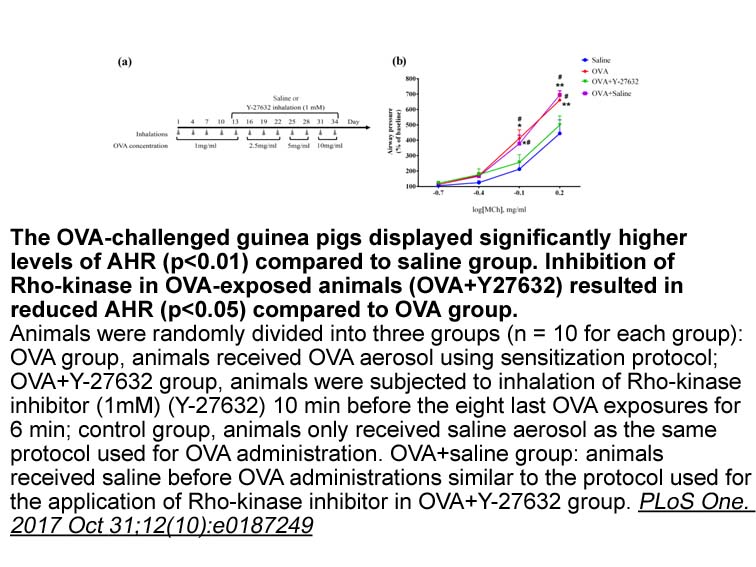
Mistletoe is universal name for various species of parasitic plant which grows attached to and within the branches of host trees such as apple, elm, oak and pine. Mistletoe extract prepared from Viscum album, a species of mistletoe in the family Santalaceae, is generally known as European mistletoe
-
br Conflict of interest br Acknowledgments This
2023-08-21

Conflict of interest Acknowledgments This work was been partially supported by the following grants: C.I.S.I.A. project (Innovazione e Sviluppo del Mezzogiorno—Conoscenze Integrate per Sostenibilità ed Innovazione del Made in Italy Agroalimentare—Legge 191/2009) from the Italian Ministry of Ec
-
Songbirds are outstanding models in the study of
2023-08-21
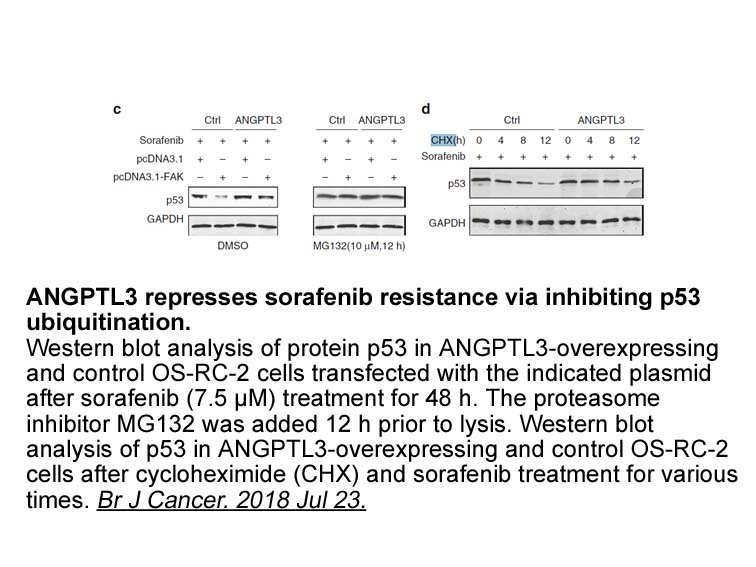
Songbirds are outstanding models in the study of vocal communication (Maney and Pinaud, 2011). Following the pioneering studies of William H. Thorpe and Peter Marler on the development of song in chaffinches (Fringilla coelebs) and white-crowned sparrows (Zonotrichia leucophrys) (Marler, 2004; Thorp
-
br Results br Discussion AP
2023-08-21
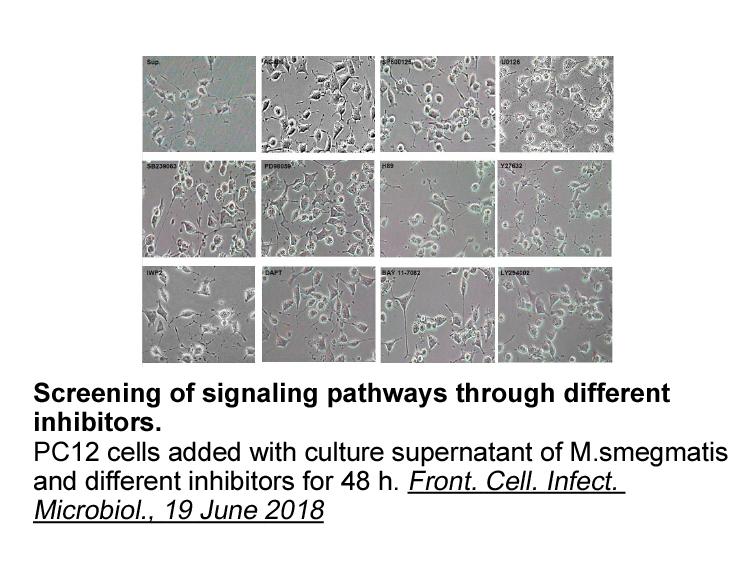
Results Discussion AP-1, a heterodimeric transcription factor comprising various combinations of FOS, JUN, MAF, ATF, and CREB family proteins, has been known to play a pivotal role in leukocyte development for decades (Liebermann et al., 1998; Valledor et al., 1998). However, its participation
-
Fmoc-Thr(tBu)-OH br Materials and methods br Results and dis
2023-08-21
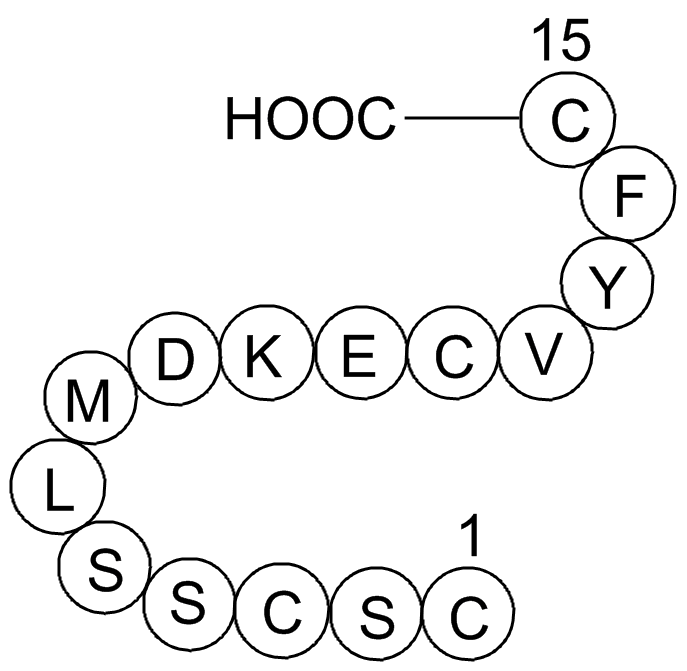
Materials and methods Results and discussion Conclusions Acknowledgements Introduction Infections in children aged 0–21 years who reside in long-term care (LTC) facilities are common due to underlying complex medical conditions, use of invasive devices such as urinary catheters and ve
-
Similar studies in Swedish Mutation of APP AD
2023-08-21
Similar studies in Swedish Mutation of APP AD transgenic mice revealed reduced dynamin 1, AP180, and synaptophysin expression in the hippocampus, particularly prominent in the CA1 and CA4 subfields [19]. These findings imply that Aβ can act not only as a modulator of exocytosis but is a potent regul
-
Liver plays a pivotal role in metabolism of xenobiotic
2023-08-18

Liver plays a pivotal role in metabolism of xenobiotic compounds, such as environmental contaminants and drugs. Some of these compounds generate hepatic damage and impair its function. It was well-known that 2,3,7,8-tetrachlorodibenzo-p-dioxin (TCDD) could induce pathological changes in mouse and ra
-
Preclinical models indicate roles for adiponectin
2023-08-18
Preclinical models indicate roles for adiponectin in the maintenance of hepatic lipid metabolism. Adiponectin overexpression prevents accumulation of triglycerides or the deleterious lipid metabolites diacylglycerols or ceramides [5,8]. Direct manipulation of adiponectin expression demonstrates a po
-
The first rationally designed dual mPGES LO
2023-08-18

The first rationally designed dual mPGES-1/5-LO inhibitor was reported in 2008 and represents a structural derivative of pirinixic amyloid definition - a synthetic agonist of PPARα with lipid-lowering properties (Koeberle et al., 2008b). Further α-alkyl- and α-aryl-substituted derivatives have been
-
Introduction Cancer which is responsible for a
2023-08-18
Introduction Cancer, which is responsible for a million deaths each year, is universally feared, and approximately 50% of newly diagnosed cases can be cured [1]. The existing cancer treatments, including surgery, chemotherapy, radiotherapy or a combination of them, are quickly losing efficacy. The
-
The diagnosis of ICP is
2023-08-18
The diagnosis of ICP is currently based on the presence of pruritus, raised fasting serum TBS levels above 10μmol/L, and/or elevated serum transaminases (in the absence of diseases that cause cholestasis or pruritus) as well as spontaneous relief of signs and symptoms within four to six weeks after
-
In the current study we
2023-08-18
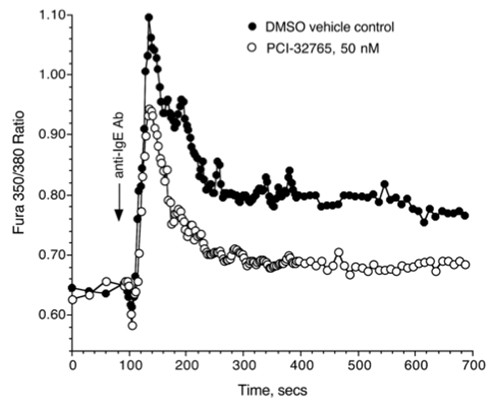
In the current study, we showed that known inhibitors of the F-ATPase and ionophores affect the growth of P. gingivalis and its plasma membrane ATPase, suggesting that the membrane ATPase can be a target for anti-periodontitis agents. We also identified stilbenoids that strongly inhibit the growth o
-
The co crystal structure of blebbistatin bound
2023-08-18
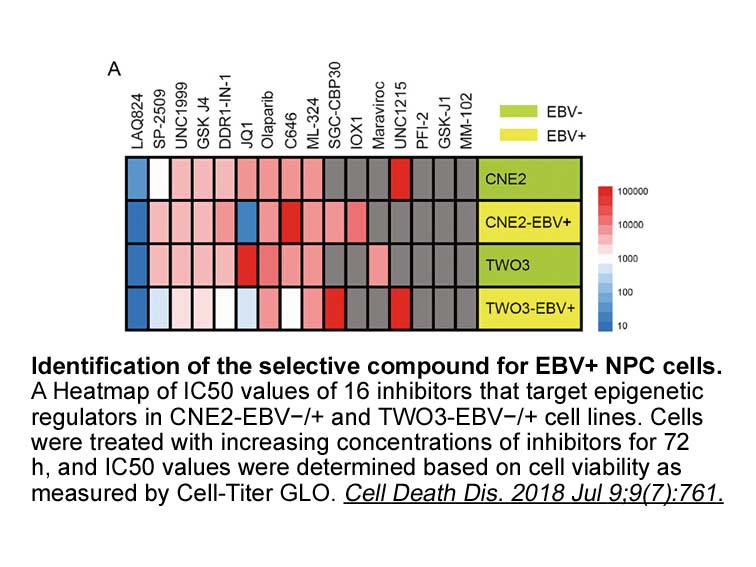
The co-crystal structure of ()-blebbistatin ()- bound to myosin II (PDB: ) was used to scout for possible favorable interactions with the residues lining the binding pocket. Looking at A, we hypothesized that -oriented hydrophilic moieties (e.g. hydroxymethyl) on C of the blebbistatin scaffold might
-
The Type A series contains of the
2023-08-18
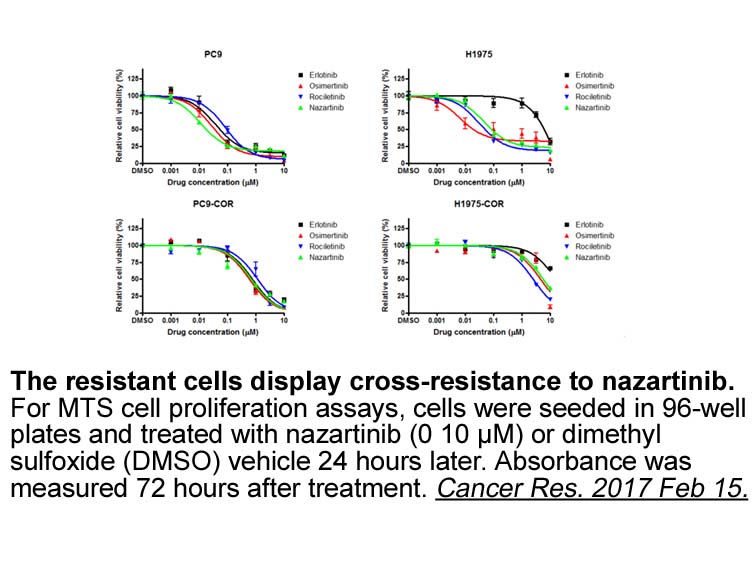
The Type-A series contains 6 of the 11 confirmed hits, making it a highly attractive lead template. Seven (7) out of 8 Type-A series of 3-substituted-2-furoic acids are highly active (84–100% inhibition) at the high concentration of 100μM. We could deduce some interesting, albeit preliminary structu
-
br Conclusions In summary the present results showed
2023-08-18
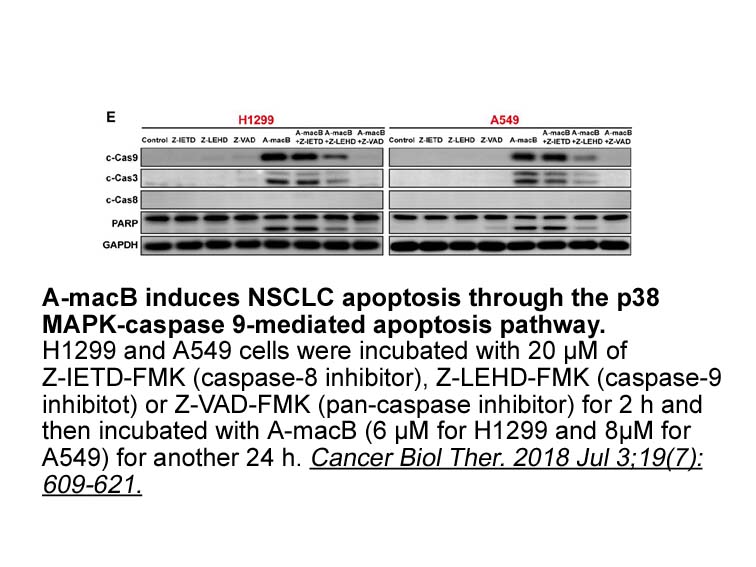
Conclusions In summary, the present results showed that ageing diminished arginase activity only in clearance tissues and that l-arginine supplementation did not induce major changes in arginase activity thus refuting a role of arginase in the potential deleterious effects of l-arginine supplemen
8609 records 334/574 page Previous Next First page 上5页 331332333334335 下5页 Last page