Archives
- 2026-09
- 2026-08
- 2026-07
- 2026-06
- 2026-05
- 2026-04
- 2026-03
- 2026-02
- 2026-01
- 2025-12
- 2025-11
- 2025-10
- 2025-09
- 2025-03
- 2025-02
- 2025-01
- 2024-12
- 2024-11
- 2024-10
- 2024-09
- 2024-08
- 2024-07
- 2024-06
- 2024-05
- 2024-04
- 2024-03
- 2024-02
- 2024-01
- 2023-12
- 2023-11
- 2023-10
- 2023-09
- 2023-08
- 2023-07
- 2023-06
- 2023-05
- 2023-04
- 2023-03
- 2023-02
- 2023-01
- 2022-12
- 2022-11
- 2022-10
- 2022-09
- 2022-08
- 2022-07
- 2022-06
- 2022-05
- 2022-04
- 2022-03
- 2022-02
- 2022-01
-
br Materials and methods br Results br Discussion Recently
2022-01-24
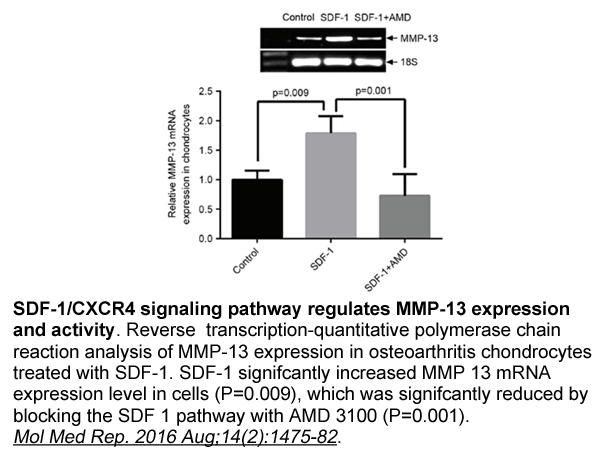
Materials and methods Results Discussion Recently, we characterized the interaction of the PH domains of various Lbc family RhoGEFs with the activated small GTPase, RhoA, and demonstrated that this could serve as a positive feedback mechanism for robust activation of RhoA (Medina et al., 20
-
The urinary levels of OHP among the exposed
2022-01-24
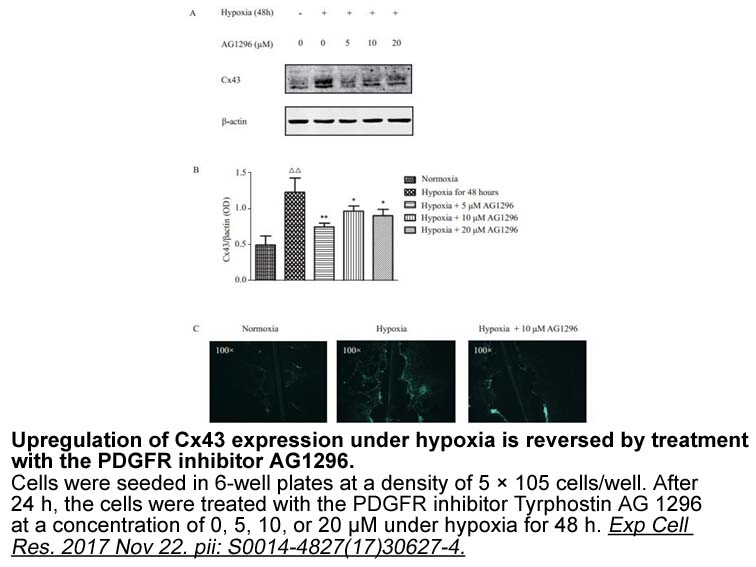
The urinary levels of 1-OHP among the exposed workers were higher than those reported for a Brazilian group of charcoal workers (0.07 μmol mol creatinine) exposed to wood smoke (Kato et al., 2004), and for nonsmoking bus drivers (0.19 μmol mol creatinine) and nonsmoking mail carriers (0.11 μmol mol
-
br Conflict of interest statement br Acknowledgments
2022-01-24
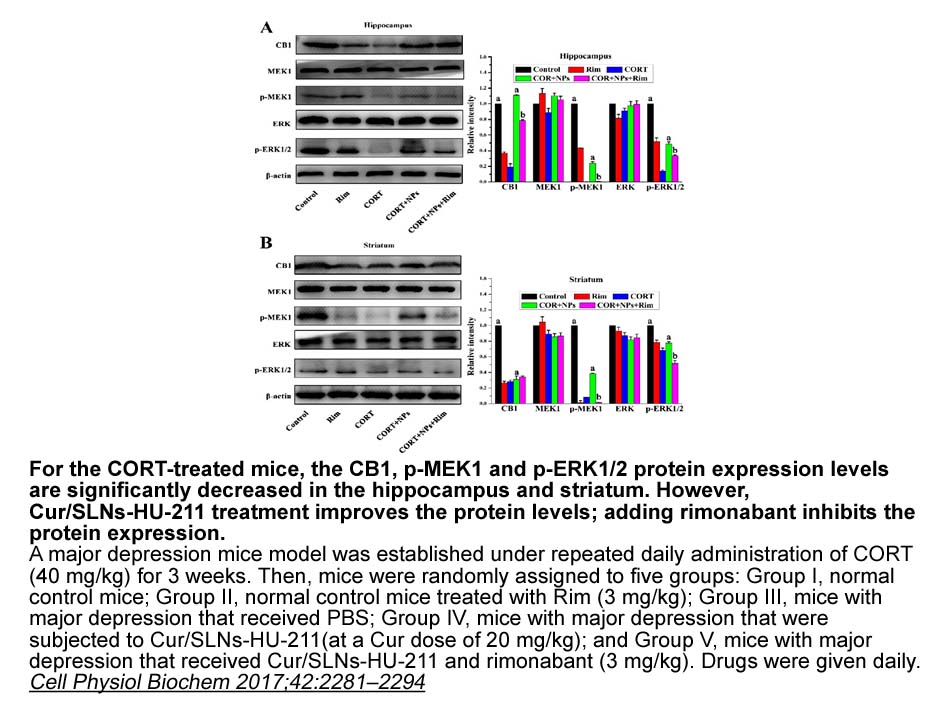
Conflict of interest statement Acknowledgments The authors would like to thank Dr. Linda Console-Bram for her editing of this review, Valentina Lucchesi for help with the figures, and acknowledge funding from NIH/NIDA (DA023204). Introduction G protein-coupled receptor 55 (GPR55) has emerg
-
Finally LC ESI MS MS
2022-01-24
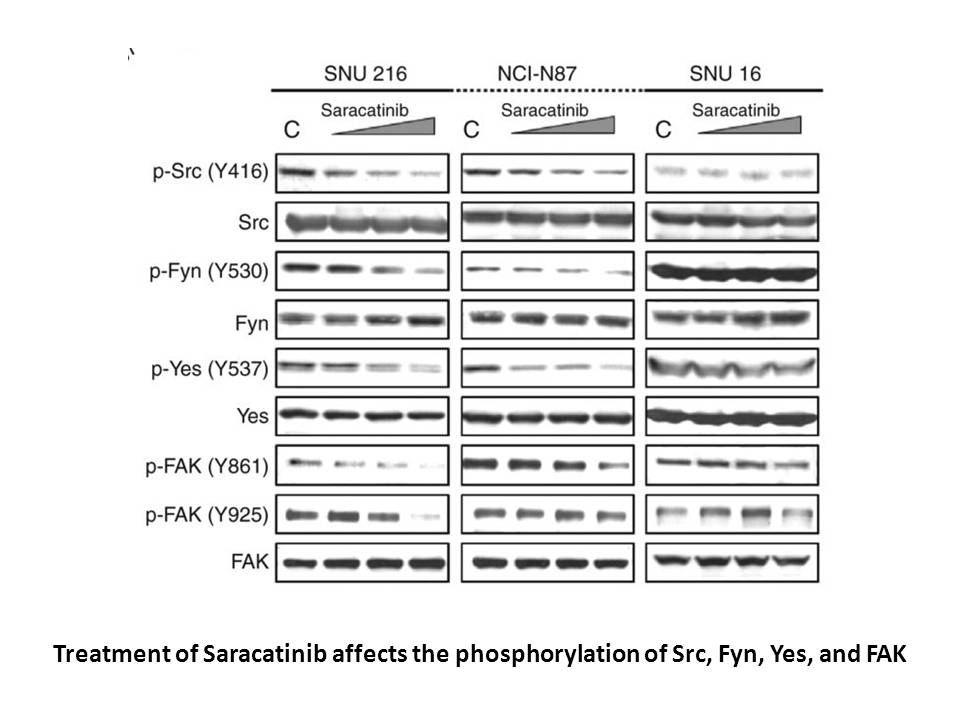
Finally, LC-ESI-MS/MS was applied to explore the effects of increased fT4 levels 4 and 8 weeks after induced thyrotoxicosis and have revealed an upregulation of proteins involved in blood coagulation, thus providing a clear association [126]. Conclusions Introduction Diabetes mellitus (DM) ha
-
In this review we aim to
2022-01-24
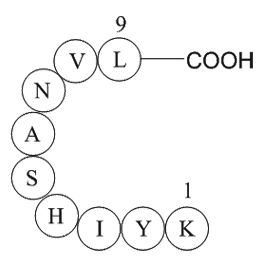
In this review, we aim to provide a comprehensive understanding of: 1) how AT-resident CD4+ T cell subpopulations regulate the metabolic status of AT; and 2) how adipocytes as antigen presenting cells to modulate the activities of CD4+ T cell subpopulations in AT. Under condition with obesity, ad
-
The dopamine substrate currents IDA
2022-01-21
The dopamine substrate currents (IDA – IControl) were determined at different holding potentials (IV curves) in transfected HT22 cells (Fig. 5A). The plot for HT22 cells transfected with DAT exhibited the typical behavior of dopamine transporter currents (Ingram et al., 2002; Sonders et al., 1997),
-
br Materials and methods br Results br Discussion In the
2022-01-21
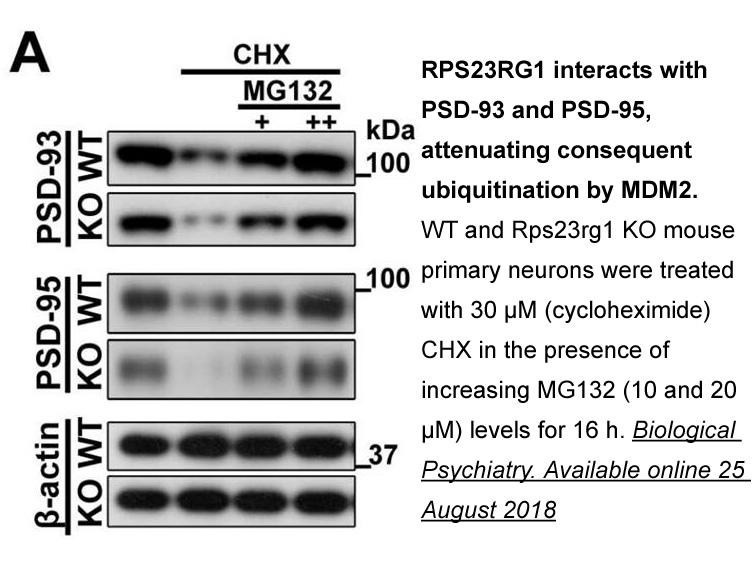
Materials and methods Results Discussion In the CNS, GLP-1R is associated with G-protein signal transduction pathways, which can activate adenylyl cyclase and protein kinase A by cyclic adenosine monophosphate, and mediates neuronal activities implicated in various pathophysiological change
-
The identity of the K transport pathway activated by
2022-01-21
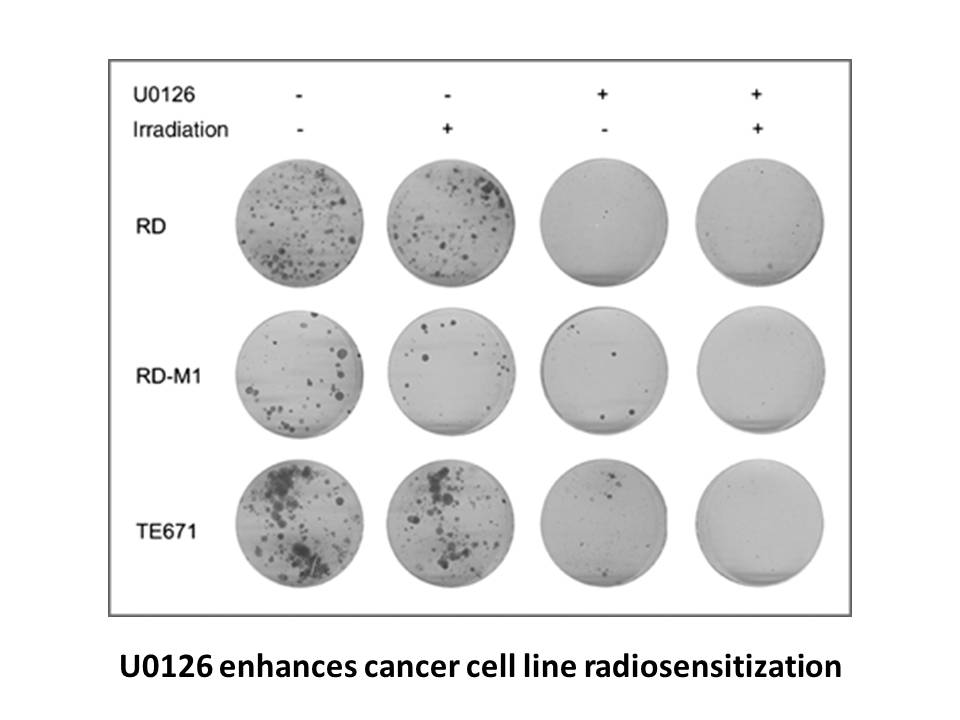
The identity of the K+ transport pathway activated by NEM remains unclear. The pathway does not require the presence of Gardos channel KCNN4 or K–Cl cotransporters KCC3 and KCC1, but like these pathways is sensitive to the presence of hemoglobin S or other sickling hemoglobins. Although partially se
-
Human GS is a multi subunit complex
2022-01-21
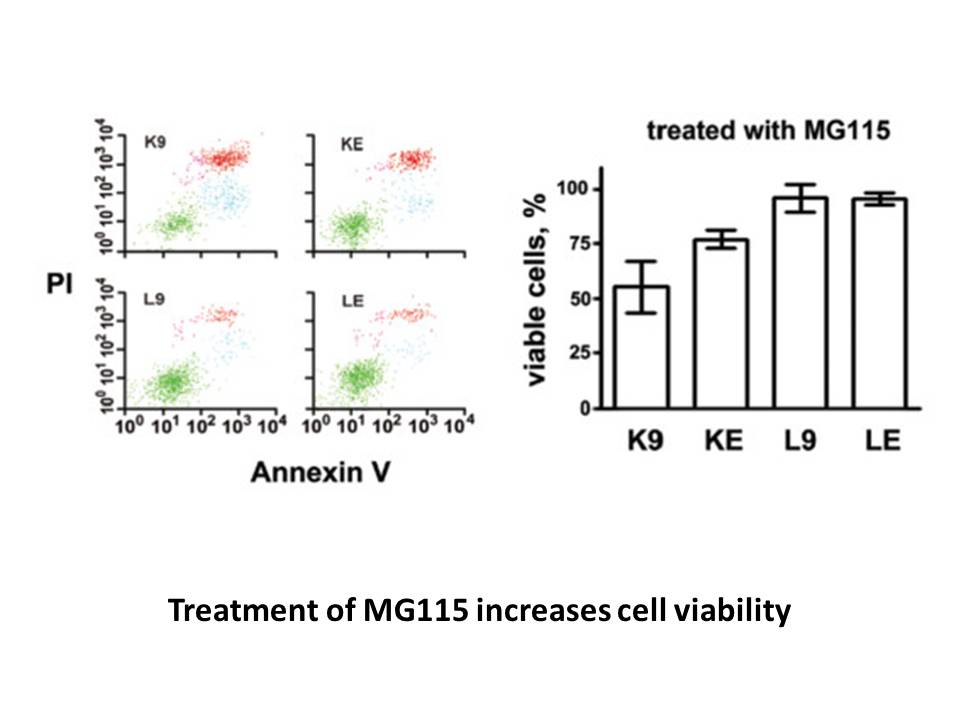
Human GS is a multi-subunit complex consisting of four components: presenilin 1 (PS1), presenilin enhancer 2 (PEN-2), anterior pharynx-defective 1A (APH-1A) and nicastrin (NCT) (Fig. 1a) [5,6]. PS1 comprise nine transmembrane helices (TM 1–9) and contains the catalytic aspartate residues in its TM6
-
Further our data demonstrate a role
2022-01-21
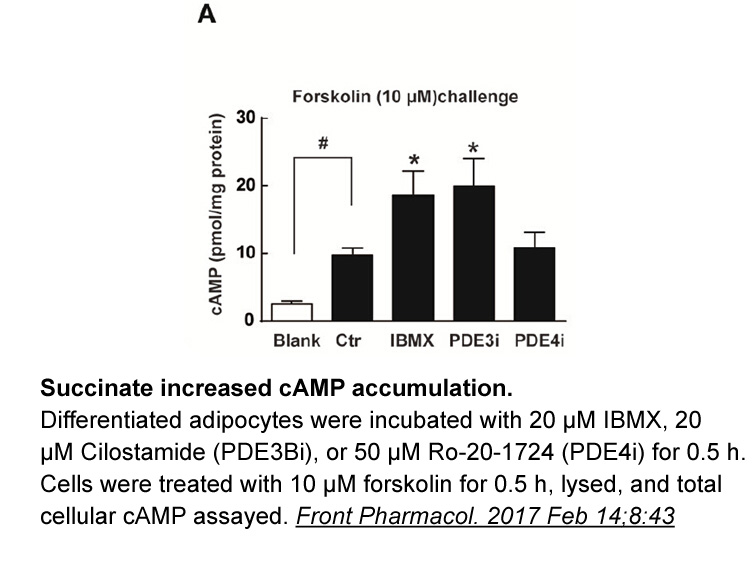
Further, our data demonstrate a role for mitochondrial AIF in oxidative cell death induced by RSL3. We found that AIF knockdown using siRNA completely protected the (S)-(-)-Propranolol hydrochloride against RSL3 induced oxidative stress. Similar to other pathways of caspase-independent programmed c
-
FBPase deficiency is a very rare inborn error of fructose
2022-01-21
FBPase deficiency is a very rare inborn error of fructose Sulforhodamine 101 of autosomal recessive inheritance. This disorder usually occurs in the first year of life through ketotic hypoglycemia and lactic acidosis triggered by catabolic episodes such as prolonged fasting or febrile infections (S
-
zingerone In summary although there are still several import
2022-01-21
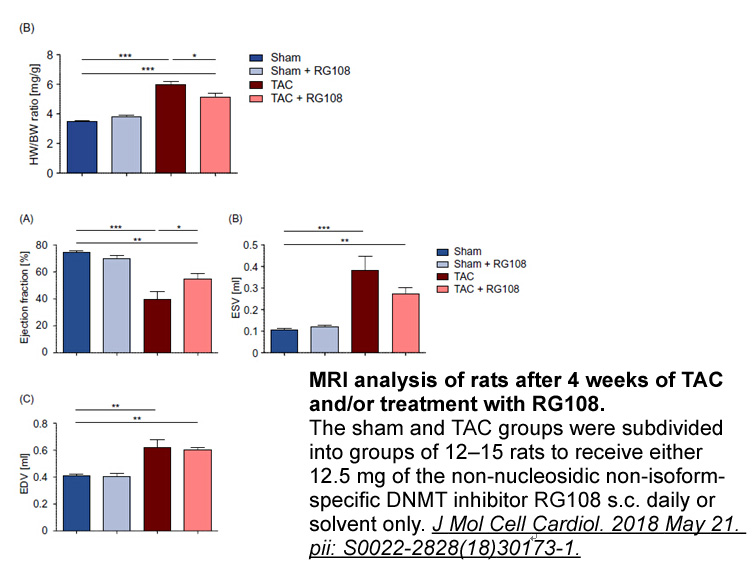
In summary, although there are still several important questions open on the mechanisms that trigger FAK nuclear localization and FAK-dependent gene regulation, Cardoso et al. (2016) provide important new insights on FAK/MEF2-mediated initiation of cardiac hypertrophy. Acknowledgments The author
-
Histone modification is one of the major
2022-01-21
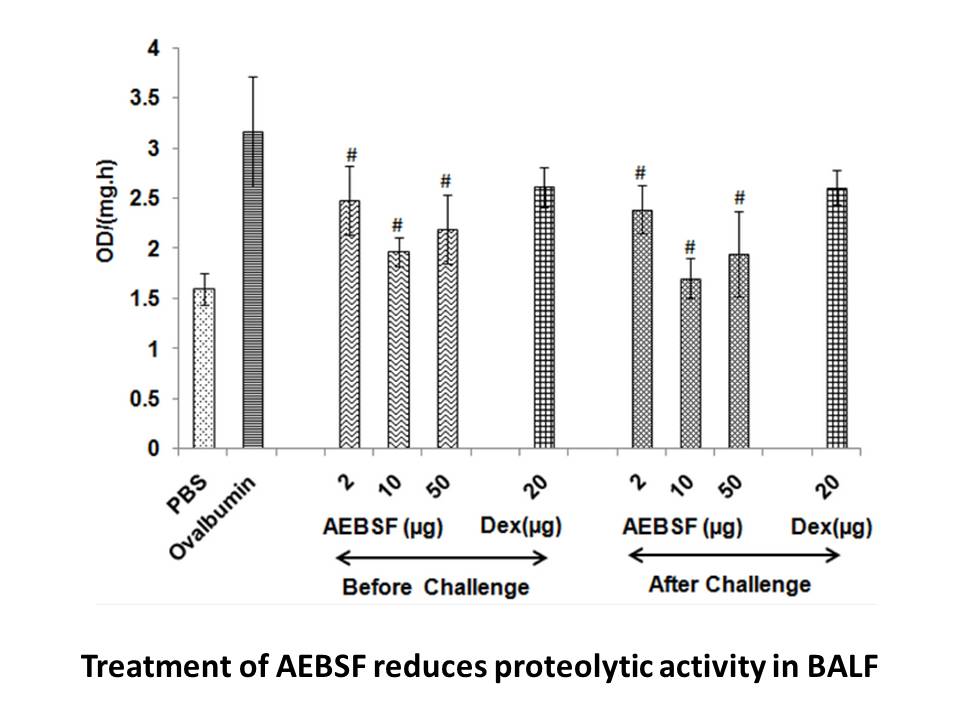
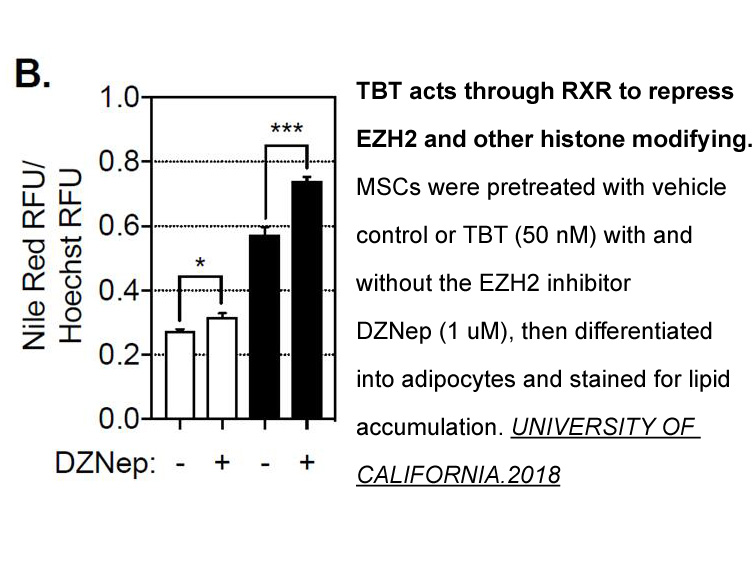
Histone modification is one of the major epigenetic mechanisms.8, 10 Specific histone modifications confer active or repressive transcriptional states. For instance, the trimethylation of Histone3-Lysine27 (H3K27me3) is a marker of tightly packaged heterochromatin and is associated with gene repress
-
In summary we have provided evidence that
2022-01-21
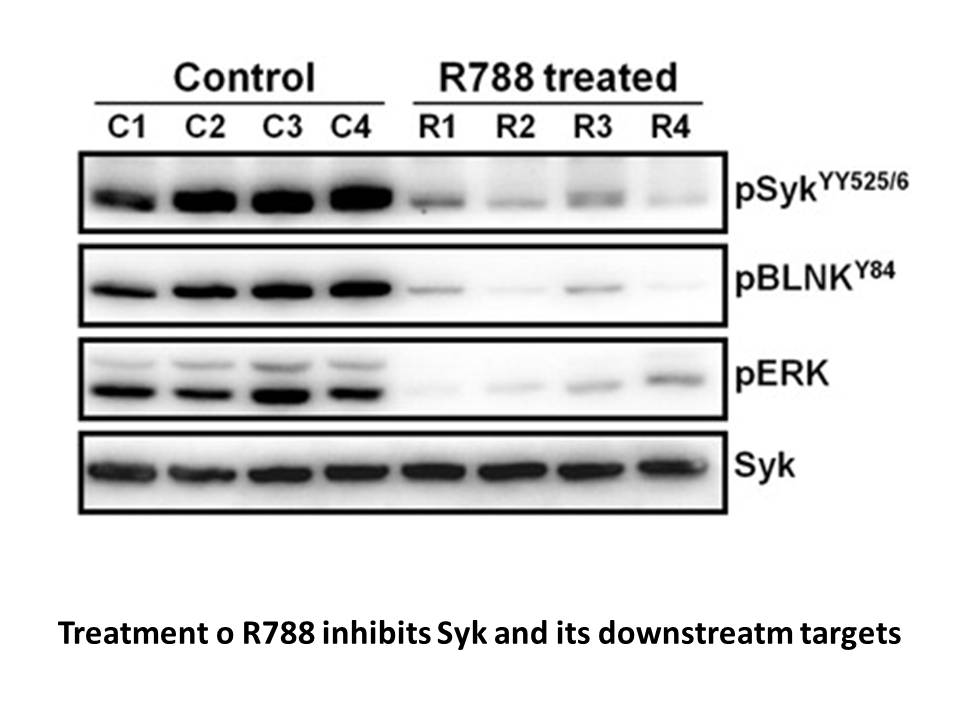
In summary, we have provided evidence that TA, a novel HATi, inhibits the acetylation of histone and non-histone proteins and activation of the mRNA expression of lipogenesis-related genes both in vitro and in vivo (Figure 8), indicating that inhibition of HAT activity by TA is necessary for the pre
-
CP 154526 One limitation of our study was that all
2022-01-21
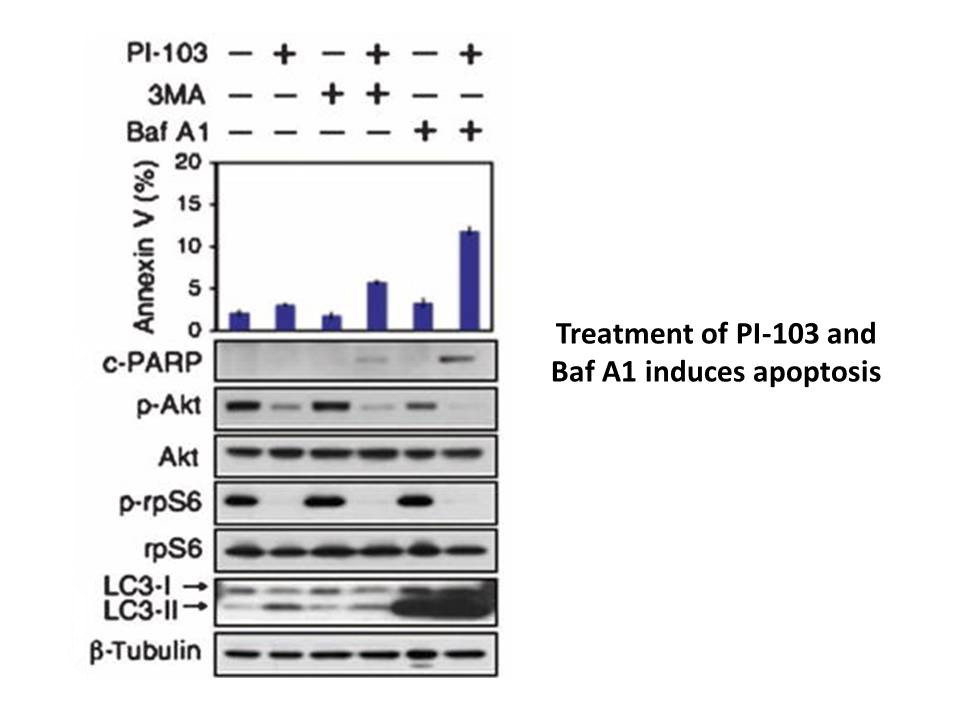
One limitation of our study was that all control dogs had histologic evidence of mild GI inflammation according to established WSAVA guidelines (Washabau et al., 2010), despite being apparently healthy purpose-bred research dogs housed in a controlled environment with no history of vomiting, diarrhe
8602 records 561/574 page Previous Next First page 上5页 561562563564565 下5页 Last page